The best family photographs rarely begin with everyone wearing the same thing. They begin with a cuddle that lasts a second longer than expected, a child laughing at something silly, or a dog deciding that the camera bag is far more interesting than the shoot. Knowing how to match family outfits helps those real moments feel beautifully connected, without making anyone look as though they have been issued a uniform.
For relaxed, story-led family photographs, clothing should support the people in the frame rather than steal the show. The aim is coordination, not perfection: colours that sit happily together, fabrics with a little depth, and outfits everyone can move, play and be themselves in.
How to match family outfits without looking too matching
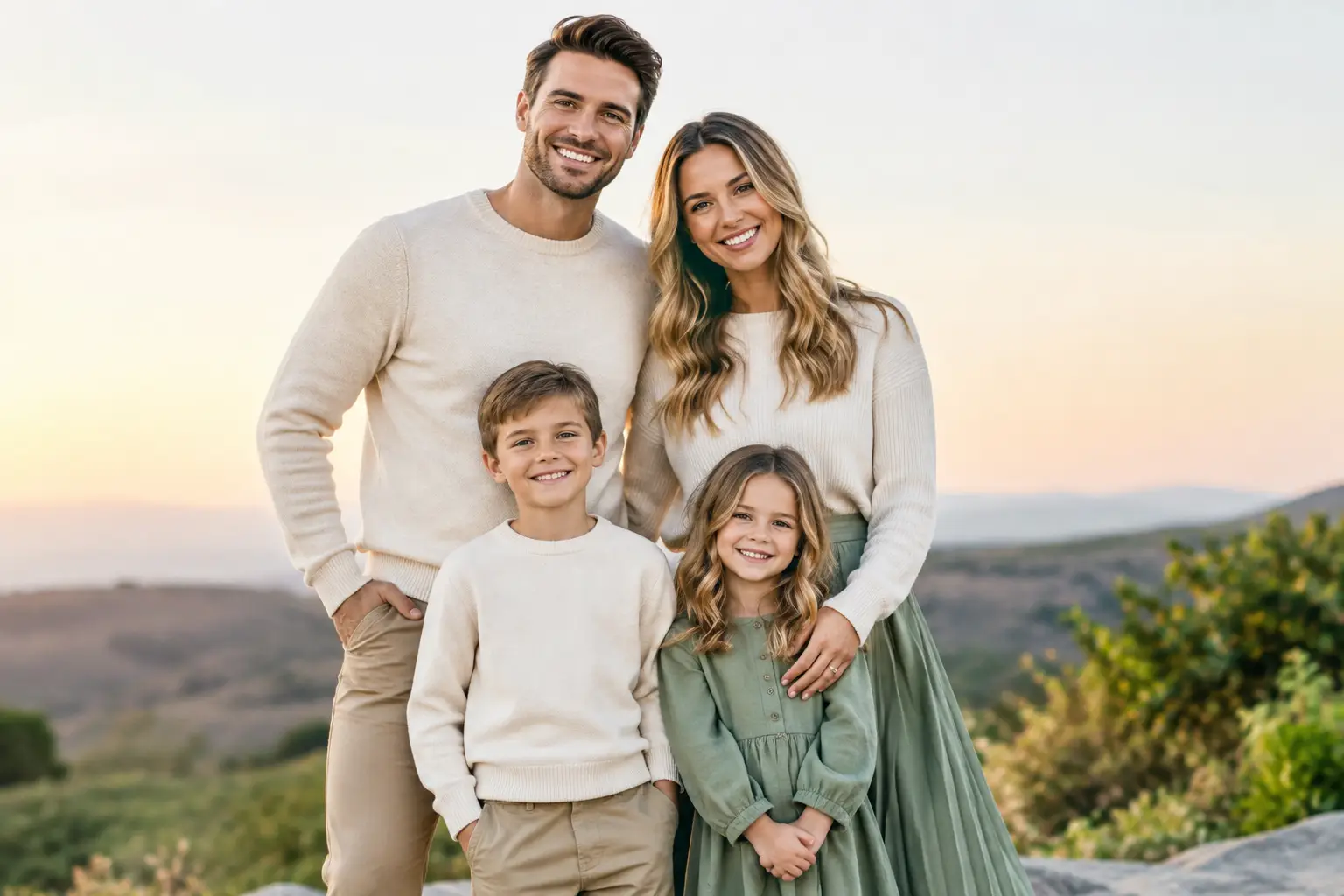
Start by choosing a small colour palette rather than one exact colour. Three or four complementary tones are usually plenty. Think soft neutrals such as oat, stone, cream and warm grey, then add a gentle accent like sage, dusty blue, rust or muted rose. These colours tend to photograph with a calm, timeless feel and allow faces and expressions to remain the focus.
Rather than putting every family member in the same shade, spread the palette across the group. One person might wear a soft blue dress, another a cream knit, while someone else brings in a darker neutral through trousers or a cardigan. This creates balance and gives the image shape, particularly when you are gathered close together.
A useful place to begin is with one outfit you genuinely love. It could be Mum’s dress, a child’s favourite dungarees, or a shirt that feels especially like Dad. Use its colours as your starting point, then build the rest of the family’s clothing around it. Choosing one anchor piece is often much easier than trying to plan everybody’s look at once.
Choose colours that suit the setting and season
Your location has a quiet part to play in what works. A woodland walk, a beach in Northumberland, a garden in the Scottish Borders or a cosy session at home will all have their own natural colours. Clothing does not need to match the backdrop, but it should feel at home there.
For autumn sessions, olive, moss, burnt orange, chocolate and oatmeal sit beautifully among changing leaves and softer light. In spring and summer, faded blue, pale yellow, blush, linen, cream and soft green feel fresh without being overly bright. On a windswept beach or a misty Scottish day, warm neutrals and textured layers can bring a welcome sense of warmth to the photographs.
Very bright neon shades, fluorescent trainers and large areas of strong primary colour can draw attention away from faces. That does not mean every outfit must be beige. A cheerful colour can be lovely when it suits your family. The difference is usually in the tone: softer, earthier colours tend to sit together more gracefully than very saturated ones.
Mix textures and layers for a more natural look
When everyone wears plain cotton in similar shades, an outfit plan can sometimes look flat. Texture adds interest without demanding attention. Knits, linen, denim, corduroy, cotton dresses, wool cardigans and soft brushed fabrics all photograph wonderfully because they add subtle detail.
Layers are particularly useful for family sessions in Scotland, where a bright morning can become a breezy afternoon rather quickly. A cardigan, overshirt, knitted jumper or jacket gives you options and can create variety across a gallery without the need for a full outfit change. It also helps everyone stay comfortable, which matters far more than any styling rule.
Try to avoid dressing every person in a different busy pattern. One small floral print, a checked shirt in muted tones or a subtle stripe can work well, provided the others wear simpler pieces that pick up colours from it. If several people wear bold prints, the eye may not know where to settle.
Put comfort ahead of the perfect outfit
The most flattering clothing is clothing that lets people forget about their clothing. If a child dislikes scratchy tights, stiff shoes or a shirt buttoned right to the top, that feeling will soon show. If Dad never wears a blazer, a family session is probably not the day to start. Choose pieces that feel like a slightly more considered version of everyday life.
Children should be able to run, sit on the grass, climb onto a parent’s knee and have a proper cuddle. Bring a warm layer for little ones even if the forecast looks kind, and choose shoes they can comfortably walk in. Bare feet can be lovely at home or on a suitable beach, but there is no need to force the look if socks and wellies are more true to your family.
The same is true for adults. A photograph is not helped by someone constantly pulling at a hem, worrying about a neckline or checking whether their trousers have creased. Well-fitting, familiar clothes make it easier to relax into the moments that matter.
Keep logos and novelty details to a minimum
Large logos, character prints and slogan tops can date an image quickly and can pull the eye away from connection. They are not always a complete no, particularly if a beloved jumper is part of a child’s personality, but they are worth considering carefully.
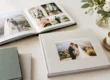
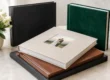
Family photographs often become prints on the wall, pages in an album and keepsakes that children return to years later. Simpler clothing gives those images room to grow with you. A little personality is welcome – a favourite pair of bright socks, a treasured hair clip or a much-loved hat can make an image feel more honest – but it helps if those details are intentional rather than accidental distractions.
Plan the whole group, then let it breathe
Lay the outfits together on a bed or floor a few days before your session. This quickly reveals whether one colour is dominating, whether there are too many competing patterns, or whether an extra layer would bring the group together. Take a quick mobile phone photograph in natural window light if you are unsure. It is often easier to judge the balance in a picture than from a pile of clothes.
Do not worry if every shade is not perfectly matched. In fact, a little difference is what makes a family look like a family rather than a catalogue. Brothers and sisters do not need identical jumpers, and parents do not need to mirror one another. Aim for a shared mood: relaxed, warm, practical and unmistakably yours.
For larger family groups, give everyone a colour guide rather than a strict instruction. You might suggest soft blues, greens, creams and tan, then allow each household to choose pieces within that range. This avoids the familiar problem of one person arriving in head-to-toe black while another has chosen a bright red patterned dress. It also leaves room for individual taste.
Small details worth checking before you leave
The night before, check that labels are removed from new clothes, shoes are reasonably clean and spare layers are packed. Keep pockets free of bulky mobile phones and keys where possible, and consider whether hair bands, watches or smartwatches are likely to distract you in the final images.
If babies or toddlers are involved, bring a back-up top for them and perhaps one for the adult most likely to receive a surprise sticky hand. This is not a sign that the session has gone wrong. It is often part of the story. A little preparation simply means a small mishap does not become a source of stress.
Most of all, choose outfits that make you feel comfortable being close. The photographs you will treasure are unlikely to be the ones where every cuff is straight. They will be the ones where your child reaches for your hand, everyone leans in together, and your family looks wonderfully, recognisably like itself.