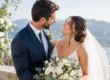
The photographs that mean the most are rarely the perfectly arranged ones. They are the squeeze of a hand before the ceremony, your gran wiping away a tear, the wind catching your veil as you both laugh because the Scottish weather has made other plans. This guide to wedding photography style will help you recognise what feels right for you, so you can choose images that bring back the feeling of your day, not simply the order of events.
A guide to wedding photography style: begin with the feeling
It is easy to get caught up in labels when you are planning a wedding. Documentary, fine art, editorial, traditional, candid – each style can look beautiful, but the name matters less than the experience it creates and the memories it preserves.
Start by asking yourselves a few honest questions. Do you want to spend lots of time posing, or would you rather be present with your guests? Are you drawn to photographs that feel polished and fashion-led, or those that show the laughter, nerves and small moments you may not have noticed? When you look back in ten, twenty or fifty years, what do you hope your photographs will remind you of?
A good wedding photographer will not make you fit neatly into one category. The strongest coverage often blends a few approaches: gentle guidance when it is helpful, beautifully composed portraits, and the freedom for real life to unfold around you.
The main wedding photography styles
Documentary or reportage photography
Documentary wedding photography is centred on observation. Rather than continually directing the day, the photographer watches for genuine interactions and photographs them as they happen. Think confetti flying, friends embracing at the drinks reception, a parent straightening a buttonhole, and the unguarded laughter on the dance floor.
This approach is ideal for couples who want to enjoy their wedding without feeling as though they are taking part in a long photoshoot. It is also wonderful for capturing guests and family relationships in a way formal group photographs cannot always do.
The trade-off is that documentary photography relies on your photographer anticipating moments rather than staging them. You may still want a little direction for portraits and group shots, particularly if you value a few classic images for an album or wall art. Documentary does not have to mean leaving everything to chance.
Fine-art wedding photography
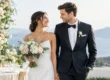
Fine-art photography brings a thoughtful, artistic eye to the day. It often uses soft natural light, careful composition and an elegant edit to create images that feel refined and timeless. Details such as your flowers, stationery, dress and venue may be photographed with particular care, but the best fine-art work still has heart behind it.
If you love light-filled photographs, gentle colour palettes and imagery that would feel at home in a beautifully printed album, this may be close to your taste. Fine-art does not need to mean stiff or overly styled. A relaxed fine-art approach can preserve all the honest emotion of the day while giving your images a polished, considered finish.
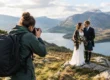
This style works particularly well in the Scottish Borders, Edinburgh, the Lothians and Northumberland, where historic venues, open landscapes and changing light offer so much atmosphere. Even a moody sky can become part of the story.
Editorial wedding photography
Editorial photography takes inspiration from fashion magazines. It tends to be more intentional, with striking poses, dramatic use of architecture or landscape, and a strong focus on styling. Couples who enjoy being in front of the camera and want a more high-fashion feel may love this approach.
There is nothing wrong with wanting a few dramatic, show-stopping portraits. The question is how much time you want to give them. A heavily editorial style can require more direction and a slower pace, especially when the light is at its best. If being photographed makes you nervous, look for a photographer who can bring a touch of editorial flair without asking you to perform all day.
Traditional wedding photography
Traditional photography places more emphasis on formal portraits, planned family groupings and the key milestones of the day. It can be reassuring, especially where large families are involved or where particular combinations of people matter deeply.
The most useful part of a traditional approach is often the family photograph list. These are the images that become treasured over time, especially when generations are together. The key is to keep the list focused. A well-organised set of groups can be completed efficiently, leaving plenty of time to enjoy your guests.
Traditional coverage on its own may feel more formal than some couples want. Combined with candid storytelling, however, it gives you a lovely balance of the people you love and the moments you did not expect.
Dark and moody photography
Dark and moody images are rich in shadow, contrast and deep tones. They can feel cinematic, dramatic and especially suited to candlelit celebrations, winter weddings or atmospheric venues.
Before choosing this look, view full wedding galleries rather than only a few standout images on social media. Dark edits can be beautiful, but they affect everything from the colour of your flowers to the brightness of a summer ceremony. Make sure you genuinely love the look across a whole day, in bright sunshine as well as a dimly lit reception.
Look beyond the highlight reel
A photographer’s best photographs should catch your eye. But a wedding is not made of ten perfect frames. Ask to see how a photographer tells the complete story: the morning preparations, the ceremony, the quieter in-between moments, the speeches and the evening celebrations.
As you look, notice the people. Do they seem comfortable? Are there photographs of meaningful reactions as well as beautiful details? Can you picture yourselves in the images, or do they feel more like a styled shoot? Consistency matters too. You want to know that your photographs will feel cohesive whether the day brings soft sunshine, heavy rain or a dark reception room.
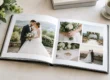
It is also worth considering how photographs will live after the wedding. A bright, natural image may suit a large framed print in your home, while a carefully designed album gives the full story room to breathe. The style you choose should still feel like you when it becomes part of your everyday life.
Choose a style that suits your day, not just your mood board
Your venue, season and timetable all influence what is possible. A relaxed summer wedding with an outdoor drinks reception naturally creates space for candid moments. A short winter day may call for a thoughtful portrait plan that makes the most of the available light. A grand city venue might invite more architectural images, while a Borders barn or country house can feel wonderfully informal and intimate.
Do not worry if your inspiration includes a mixture of styles. Most couples are not looking for a single label. You might want natural, unscripted coverage for most of the day, a handful of gently directed portraits, and a few carefully arranged family photographs. That is a very sensible brief.
Share the images you are drawn to, but explain why you like them. Is it the soft light, the relaxed expressions, the closeness of the couple, the joyful movement or the dramatic backdrop? Those details tell your photographer far more than a folder of copied poses ever could.
Feeling comfortable matters more than knowing how to pose
Many couples begin with the same concern: “We are awkward in photographs.” The good news is that you do not need to know what to do. A relaxed photographer will give you simple, unobtrusive prompts, let you move and talk together, and step back when a real moment begins to happen.
The aim is not to turn you into models. It is to create enough calm space for you to forget the camera is there. A short portrait session can become one of the few quiet pauses you have together all day, particularly when it is approached without pressure.
When you meet a photographer, pay attention to how the conversation feels. Do they listen to what matters to you? Do they make the practical parts of the day feel manageable? Trust and ease show in photographs, just as surely as light and composition do.
Let your photographs hold the whole story
The right wedding photography style should leave room for your wedding to be exactly that: yours. It should honour the people who raised you, the friends who kept you laughing, the care you put into the details, and the fleeting looks between the two of you when nobody else is watching.
Choose a photographer whose work feels beautiful, certainly, but also one whose presence feels reassuring. When you are free to be fully present, the photographs have the best chance of becoming more than images. They become a way back to the day itself, ready to be held, displayed and shared for generations.