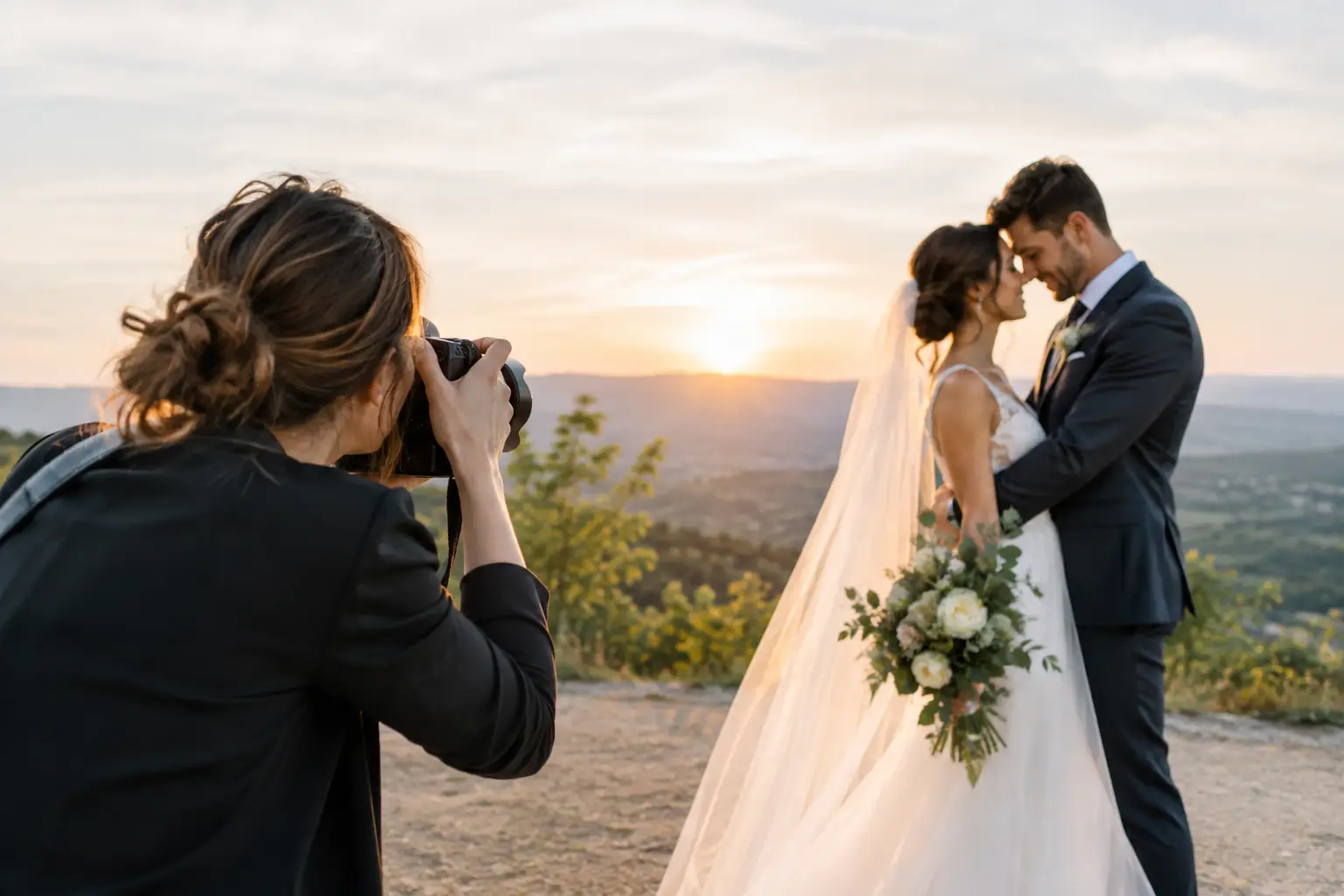
The photographs couples return to most are rarely the ones where everyone is standing perfectly still. They are the squeeze of a hand before the ceremony, the laughter during a slightly windswept group photo, and the look shared across a busy dance floor. Emerging wedding photography styles are moving closer to that truth: less about performing for the camera, and more about preserving how the day actually felt.
For couples planning a wedding in the Scottish Borders, Edinburgh, the Lothians or Northumberland, this is welcome news. A wedding can hold grand landscapes, candlelit rooms, unpredictable weather and a full range of emotions in a single day. The best photography style is not simply the one that looks striking online. It is the one that lets you be present, then gives you photographs that still mean something decades from now.
Why wedding photography is becoming more personal
For years, couples were often shown a narrow version of wedding photography: formal portraits, carefully arranged details and a dependable list of essential moments. Those photographs still have their place. Your family will value a beautiful group photograph, and a well-crafted portrait deserves space on the wall.
What is changing is the balance. Couples want the big moments, but they also want the in-between ones: a parent taking a breath before seeing their child ready, friends straightening a veil, or guests laughing so hard they forget the camera is there. Photography is becoming more observational, expressive and honest, while retaining the polish needed for photographs to become treasured heirlooms.
This does not mean every wedding needs to follow a trend. In fact, the most successful approach usually takes a little from current styles and grounds it in your own personalities, venue and plans for the day.
Emerging wedding photography styles worth knowing
Documentary storytelling with an editorial finish
Relaxed documentary photography remains at the heart of many modern weddings, but it is increasingly paired with a refined editorial eye. The result is real moments captured with careful attention to light, composition and atmosphere.
Rather than directing every second, your photographer watches for the natural connections already unfolding. A quiet glance during the vows, children racing through the grounds, or a bridesmaid wiping away a tear can become part of the story. Then, when it is time for portraits, there is gentle guidance to help you look your best without making you feel as though you are on a fashion shoot.
This style works especially well for couples who are nervous about being photographed. You do not need to know what to do with your hands all day. A little direction at the right time, combined with plenty of space to enjoy your guests, creates photographs that feel both effortless and considered.
Movement, blur and a little beautiful imperfection
Perfectly sharp photographs will always matter, particularly for the key moments and portraits. Yet more photographers are embracing intentional motion blur as part of a wedding story. Think of the swish of a dress as you turn, hands raised during the ceilidh, or the energy of a packed dance floor late in the evening.
Used thoughtfully, blur brings movement and memory into a still image. It can make a photograph feel less like a record of what everyone wore and more like a reminder of the music, nerves and joy in the room.
There is a balance to strike. Motion-led images should complement, not replace, the clear, timeless photographs you will want in an album or frame. A good photographer knows when an expressive image adds to the story and when a moment deserves a clean, classic treatment.
Direct flash for the party hours
Direct flash photography has become popular for evening celebrations, bringing a bold, candid energy to reception photographs. It can create vivid images of hugs, laughter and dancing after dark, often with a playful, magazine-inspired feel.
This approach suits a lively party, colourful décor or a couple who want their evening photographs to feel spontaneous rather than overly polished. It is particularly effective when natural light has faded and the dance floor is full of movement.
It is not the right choice for every part of the day. Flash used at the wrong moment can feel intrusive, especially during emotional speeches or an intimate ceremony. The strength of this style lies in using it selectively, when the atmosphere has shifted and everyone is ready to let their hair down.
The return of film-inspired colour and texture
Many couples are drawn to photographs with soft grain, gentle contrast and colours that feel warm without becoming overly filtered. This film-inspired look is less about copying the past and more about avoiding imagery that feels clinical or heavily processed.
The appeal is easy to understand. Film-like photographs can feel romantic, tactile and wonderfully suited to Scottish light, whether that is the muted glow of an overcast afternoon or the deep warmth of a candlelit barn. They also sit beautifully in printed albums, where texture and tonal subtlety become more noticeable.
The important thing is restraint. A strong edit should enhance the atmosphere without making skin tones look unnatural or turning every green field into the same shade. Trends in editing come and go quickly; honest colour and careful finishing have a far longer life.
Wider scenes that tell you where you were
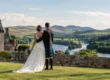
A wedding is not only about the people in it. The setting plays a part in the memory too. More couples are asking for photographs that show the full sense of place: a historic Edinburgh street, the rolling Borders countryside, a Northumberland coastline, or the grounds of a much-loved family venue.
These wider images give an album room to breathe. They establish the weather, season and setting around the close emotional moments. A photograph of the two of you small against a sweeping landscape can be powerful, not because it makes the day feel impersonal, but because it reminds you of the scale of the occasion.
This style depends on time and conditions. A five-minute walk outside during the best available light can make a real difference, but it should never leave you missing your own celebration. A thoughtful timeline creates space for a few quiet portraits without turning the day into a lengthy photoshoot.
Detail photographs with meaning, not just decoration
Flat lays and carefully styled details have been popular for some time, but the emerging approach is more selective. Instead of photographing every item simply because it is there, the focus is on details that carry personal meaning.
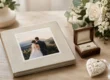
That might be your gran’s locket, hand-written vows, a piece of tartan, the flowers grown by a relative, or the dog-eared letter you exchanged on the morning of the wedding. These details become far more powerful when they reveal something about your story.
If detail photographs matter to you, gather meaningful pieces in one place before preparations begin. It makes the morning calmer and gives your photographer a chance to photograph them beautifully without taking attention away from the people around you.
Choosing a style that will still feel like you
When looking through galleries, notice your emotional response before you focus on the trend. Do you feel drawn into the day? Can you imagine yourselves in those photographs? Are the people relaxed, connected and recognisably themselves?
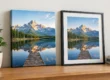
It also helps to consider how you want to use your photographs. A dramatic direct-flash image may be brilliant in an album spread, while a softly lit, natural portrait may be the one you choose for a large piece of wall art. The strongest wedding collections usually include both: expressive moments that bring back the atmosphere and timeless portraits that live beautifully in print.
Share your priorities with your photographer early. If you love unposed moments but also want a photograph with each side of the family, say so. If your venue’s landscape matters deeply, allow time for it. If being the centre of attention makes you uncomfortable, an experienced photographer can shape the portrait time around a relaxed walk and a wee chat rather than a string of stiff poses.
The style that lasts is not the one that follows every new idea. It is the one that gives you permission to enjoy your wedding fully, while keeping the faces, feelings and small details you will one day be grateful not to have forgotten.