A beautiful dish can take hours of preparation, yet a guest may decide whether to book a table in a matter of seconds. Restaurant food photography gives that decision something real to respond to: the gloss of a sauce, the lift of fresh herbs, the warmth of a busy dining room and the care behind every plate.
For independent restaurants, cafés, pubs and hotels, photographs are often the first welcome a customer receives. They appear on your website, social channels, booking pages, menus and press features long before someone steps through the door. The right images do not simply show what you serve. They help people imagine sitting down, sharing a meal and returning for another occasion.
Restaurant food photography is about more than the food
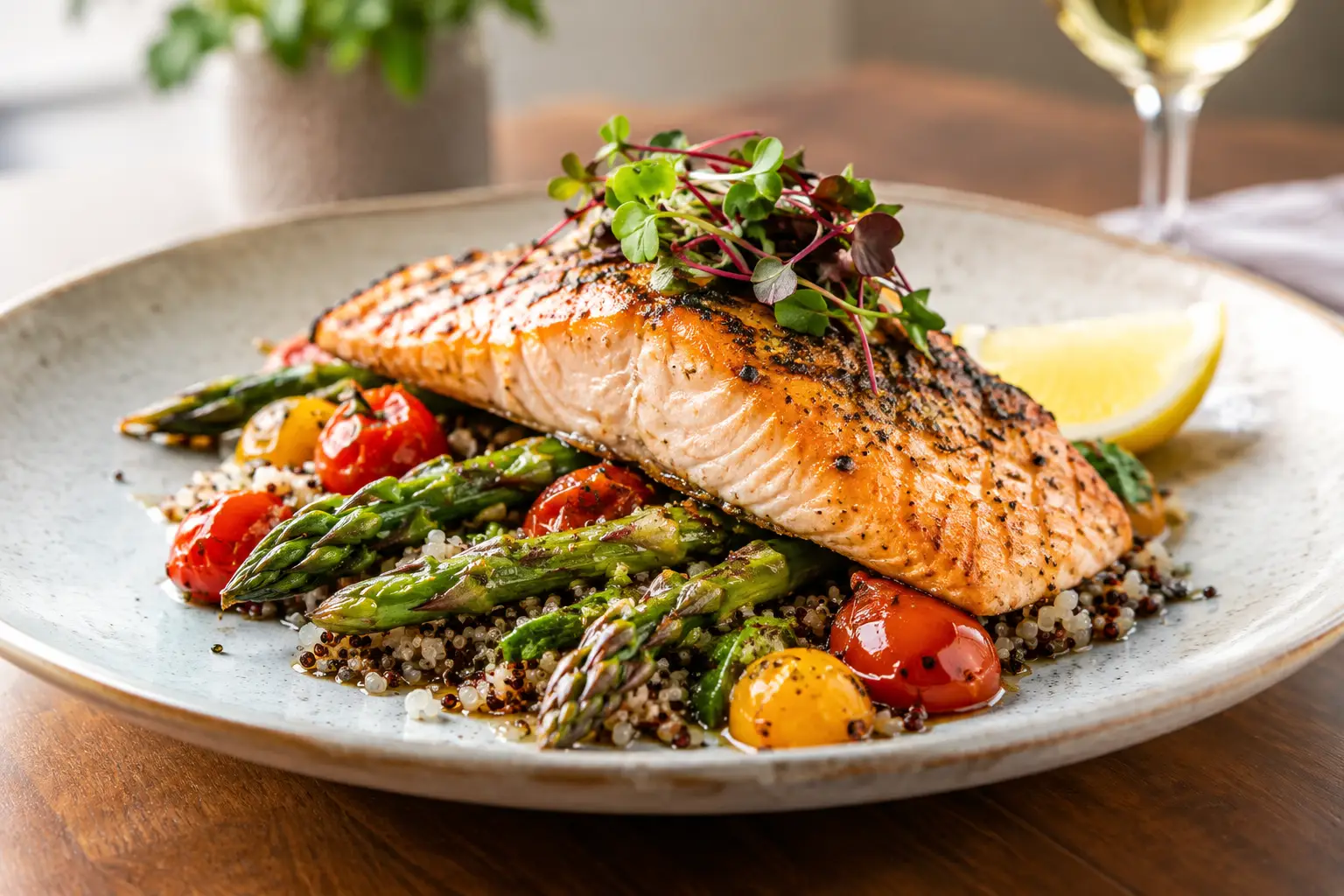
A strong menu photograph should make a dish look honest at its very best. That balance matters. If an image feels overly styled or bears little resemblance to what arrives at the table, expectations quickly turn into disappointment. If it is rushed, dark or cluttered, even excellent cooking can lose its appeal.
The aim is to capture the dish as your kitchen intended it: generous, fresh and full of character. A close-up might reveal the texture of hand-cut chips or the crisp edge of a tart. A wider image can show a sharing table, candlelight and the easy conversation that makes a meal memorable. Both have their place, because people choose restaurants for feelings as much as flavours.
This is particularly true for venues with a clear point of view. Perhaps your menu celebrates local Borders produce, your Sunday lunch brings several generations together, or your small plates are made for lingering over with friends. Photography should carry that story forward rather than flatten it into a catalogue of plates.
Start with the experience you want to sell
Before cameras, lighting or garnishes, it helps to ask a simpler question: what should a guest feel when they see these images?
A relaxed neighbourhood café may need bright, welcoming photographs with natural light, smiling staff and an unfussy sense of comfort. A fine-dining restaurant may call for a quieter, more considered approach, where texture, space and detail suggest occasion. A lively pub may benefit from the warmth of a full table, a well-poured pint and the moment a roast is placed in front of someone who has been looking forward to it all week.
There is no single visual formula. Dark, dramatic photography can suit a moody cocktail bar but may make a daytime brunch menu feel less inviting. Clean overhead shots can be useful for delivery platforms and menus, while they rarely communicate the atmosphere of a special evening out on their own. The best approach depends on your food, your space and the customers you hope to welcome.
A photographer should take time to understand that before the shoot. A wee chat about your signature dishes, busiest service, seasonal menus, ideal customers and where images will be used can make all the difference. It creates a plan that feels true to the business rather than a set of photographs that could belong to anyone.
Planning a food photography shoot without disrupting service
Restaurants are living, working spaces, and a good shoot should respect that. The most useful photography is usually planned around the rhythm of the kitchen rather than forcing the kitchen to work around the camera.
Choose a handful of hero dishes that represent the menu well. They might be your bestsellers, dishes with real visual presence, or plates that set you apart from nearby competitors. Include variety where possible: a starter, main, dessert, a drink and perhaps a dish being finished by the chef. Five excellent, well-considered dishes often do more for a brand than twenty photographs taken in a hurry.
Timing is equally important. A quiet period before service can offer more space for carefully prepared food shots. During service, a photographer may focus on atmosphere, staff and candid moments, working discreetly so guests still feel looked after. For some businesses, two shorter sessions work better than trying to photograph every part of the story in one long day.
It is worth preparing a little more of each selected dish than usual. Sauces settle, ice cream melts and delicate garnishes can wilt under the pressure of a busy pass. Having components ready allows the chef to send a fresh plate when needed, while keeping the food looking exactly as it should.
The images that earn their place
A useful restaurant gallery needs more than close-ups of meals. Each type of image has a different job, whether it is encouraging a booking, introducing the team or keeping a social feed feeling alive.
- Hero dishes that show your food at its most tempting and recognisable.
- Detail photographs of ingredients, pouring sauces, finishing touches and kitchen craft.
- Interior images that show the light, tables, bar and personality of the space.
- Natural photographs of chefs and front-of-house staff at work.
- Guests enjoying the experience, photographed with care and appropriate permission.
- Seasonal details, from a summer terrace to a festive table dressed for winter.
These photographs create a fuller picture of the restaurant. They also give you a more flexible bank of content, so every post does not need to feature the same signature burger, steak or cake.
Light, styling and the value of restraint
Natural light can be wonderfully flattering for food, particularly near a large window, but it is not always available or consistent in a restaurant. Thoughtful professional lighting can recreate a soft, believable look while keeping colours true and textures appealing. The goal is not to make food look artificial. It is to bring out the detail that diners would notice when the plate reaches their table.
Styling should follow the same principle. A stray smear on the rim or an empty glass in the background can distract from an otherwise lovely photograph. Small adjustments to cutlery, napkins and table settings create calm without making a restaurant feel staged. The food remains the main character.
Freshness matters more than complicated props. A dish served on the crockery guests know and love will usually feel more trustworthy than one surrounded by decorative items that never appear in the dining room. If your restaurant is informal and generous, let it look informal and generous. If it is elegant and refined, allow space and considered details to speak for it.
Photograph the people behind the plate
Customers increasingly want to know where their food comes from and who makes it. A portrait of a chef checking a pan, a baker dusting a loaf, or a server welcoming guests can bring warmth to a restaurant’s visual identity. These are not stiff staff headshots. They are glimpses of skill, pride and personality.
For small independent businesses, this human element can be a real advantage. Larger chains can reproduce a menu, but they cannot easily replicate the familiar face behind the bar or the care of a local team who know their regulars. A few natural images can make a website feel immediately more personal.
There is a practical benefit too. People-focused images are useful when recruiting, announcing news or sharing the story behind a new menu. They create room for your marketing to feel varied, rather than constantly asking followers to look at another plate from above.
Make your photographs work hard after the shoot
Professional images are an investment, so it is sensible to think about usage from the beginning. A photograph cropped for an Instagram post may not suit a wide website banner. A close food detail may be perfect for print, while a photograph with negative space can leave room for menu copy or an event announcement.
Ask for a collection that works across the places customers are most likely to find you. Your website needs clear, welcoming images that support bookings. Social media benefits from a mix of polished hero shots and more spontaneous-feeling kitchen or service moments. Printed menus, gift vouchers and local press may need high-resolution files with a different crop entirely.
Regular updates are also valuable. A menu that changes with the seasons should not be represented only by photographs taken years ago. You do not need a full rebrand every quarter, but a focused seasonal shoot can keep your visual presence honest and give returning customers a reason to pay attention.
At Graeme Webb Photography, the same story-led approach that helps people feel at ease in front of the camera can bring a restaurant’s character into view – without turning a working service into a performance.
The most successful restaurant photographs leave a little space for anticipation. They show enough to make someone hungry, but more importantly, they make that person want to pull up a chair, order something lovely and become part of the story themselves.