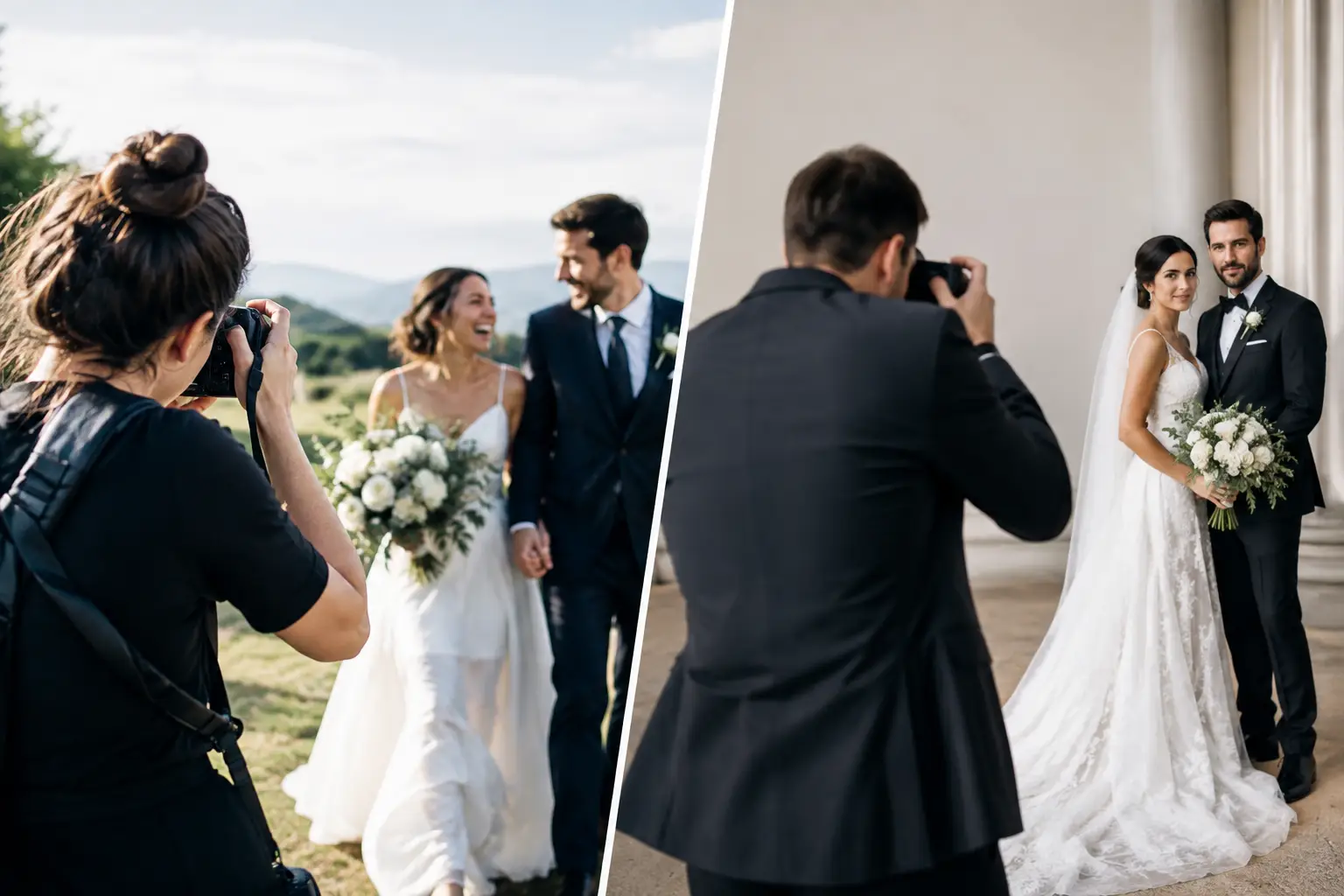
The moment your dad sees you ready, the squeeze of a hand during the ceremony, your gran laughing so hard she has to put down her glass – these are often the photographs couples return to most. When considering documentary versus traditional wedding photography, the real question is not simply which style looks best. It is how you want your wedding to feel while it is being photographed, and what you hope your images will bring back years from now.
Both approaches have real value. The right choice depends on your personalities, your plans and the people you love having around you. For many couples across the Scottish Borders, Edinburgh, the Lothians and Northumberland, a thoughtful blend offers the most complete and relaxed record of the day.
Documentary versus traditional wedding photography: the difference
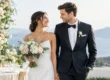
Traditional wedding photography is the style many of us remember from family albums. It centres on the key formalities: the couple portrait, group photographs, the confetti moment, cutting the cake and the first dance. The photographer gives clear direction, arranges people carefully and pays close attention to everyone looking their best.
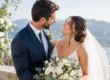
Documentary wedding photography, sometimes called reportage, works differently. Rather than directing every moment, the photographer watches for the small, genuine interactions already unfolding. A flower girl inspecting her shoes, a nervous smile before walking down the aisle, friends embracing after dinner, a quiet look shared across the dance floor – these are photographed as they happen.
Neither style is more valid than the other. Traditional photography offers structure and certainty. Documentary photography gives space for life to unfold naturally. The most meaningful decision is choosing the balance that feels like you.
What traditional wedding photography does beautifully
There is a reason formal wedding photographs have endured. They are often the only time everyone important to you is gathered in one place, dressed for an occasion and ready to be together. A well-organised group photograph becomes more precious as the years pass, particularly when it includes grandparents, family members travelling from afar, or friendships that deserve to be marked.
Traditional portraits also give you a chance to pause. A wedding day moves quickly, and stepping away for a few minutes with your new spouse can be a welcome breather. With gentle guidance on where to stand, what to do with your hands and how to relax into the moment, you can have beautifully composed images without feeling stiff or overly posed.
This approach suits couples who appreciate clear direction, love a polished finish, or have family expectations around formal photographs. It is also helpful where timing is tight. A photographer who can confidently gather guests and keep group shots moving means less time calling names and more time enjoying your reception.
The trade-off is that too much formality can interrupt the natural rhythm of the day. If every part of the celebration is arranged for the camera, you may spend more time being photographed than being present with your guests. The key is not avoiding formal images, but planning them with care.
Why documentary images often feel so personal
Documentary photography is about the feeling around the milestones, not only the milestones themselves. It records the unplanned details you may miss: your best friend taking a breath before their speech, your mum straightening your veil, children making their own fun beneath the tables, or the delight on your guests’ faces as you walk back down the aisle married.
Because there is less interruption, it tends to suit couples who say they are nervous in front of a camera or who do not want their wedding to feel like a photoshoot. You do not need to perform. You only need to be there, with the people you chose to celebrate with.
That does not mean a documentary photographer is passive or leaves everything to chance. Good documentary work relies on anticipation, experience and careful observation. Light changes, rooms fill quickly, emotions surface without warning, and once a moment has passed it cannot be recreated in quite the same way. The photographer needs to be ready without becoming the centre of attention.
The trade-off is that candid images are naturally less controlled. You cannot guarantee that every guest will be facing the camera or that every background will be perfectly clear. What you gain is honesty: photographs that carry the atmosphere, humour and character of your actual wedding day.
You do not have to choose one or the other
Most couples do not fit neatly into one camp. They want the heartfelt, unscripted moments, but they also want a lovely photograph with their parents and a frame-worthy portrait together. That is not indecision. It is a sensible wish for a wedding collection with both emotional depth and lasting structure.
A relaxed, story-led approach usually begins with a small amount of planning. Before the day, decide which group photographs matter most and keep the list realistic. Around six to ten carefully chosen groups often works better than a long roll call, though every family is different. Build in a little breathing room, especially if guests need help moving between venues or if little ones are involved.
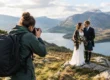
Then let the rest of the day breathe. Once the essential formal photographs are complete, your photographer can step back and document the hugs, conversations, happy tears and slightly chaotic joy that make your celebration yours. Portrait time can be guided without becoming awkward – often a walk together, a quiet corner with good light, and a few simple prompts are all that is needed.
At Graeme Webb Photography, that balance is central to the experience: enough calm direction that you never wonder what to do, and enough space that the photographs still feel completely like you.
How to work out what suits you
Start by looking beyond individual images. A single dramatic portrait may catch your eye online, but ask how a full wedding gallery makes you feel. Are the guests represented? Can you sense the energy of the room? Do the couple look comfortable? Is there a mixture of wide scenes, small details, natural reactions and timeless portraits?
Think about your own comfort level too. If being the focus of attention makes you uneasy, a largely documentary approach may help you relax. If you love editorial-looking images and enjoy a little direction, allow time for more considered portraits. If family photographs are especially meaningful, make them a priority rather than hoping they can be fitted in at the last minute.
Your venue and season also play a part. A winter wedding in the Borders may need a more deliberate portrait plan to make the most of the short daylight. A summer celebration with drinks on the lawn can lend itself beautifully to spontaneous guest photographs. Rain does not rule out either style, but it may mean working more thoughtfully with indoor spaces, umbrellas and the gaps in the weather.
It is worth having an open conversation with your photographer before you book. Share the photographs you are drawn to, but explain why you like them. Perhaps it is the softness of the light, the closeness of the people in the frame, or the fact that nobody appears to be posing. Those details reveal far more than a label ever could.
The photographs that matter later
On the wedding day, it is easy to focus on the big moments you know are coming. With time, the quieter images often take on a different weight. The way your grandfather looked at you during the ceremony. Your friends singing every word to a favourite song. The expression you made when you realised you were finally married.
Formal photographs preserve who was there. Documentary photographs often preserve what it felt like to be there. Together, they create something fuller than either approach can offer alone – a collection that is beautiful enough to display, honest enough to move you, and personal enough to become part of your family story.
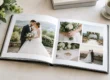
When you picture opening your album on a rainy Sunday years from now, choose the approach that helps you recognise yourselves immediately. The best wedding photographs are not the ones that follow a rule. They are the ones that bring you back to the people, the promises and the feeling of your day.